The English Literature Student at FUOYE Who Drew Strength from Solitude and Gave Voice to Silence

Picture this. A young Nigerian woman sits in a university hostel, her phone broken and the network at school barely functional. She is in the middle of one of the most important mentorship programmes of her early writing life — the SprinNG Writing Fellowship — and instead of letting the technical difficulties become her excuse, she does something quietly remarkable. She tells her mentor. She asks for flexibility. And she keeps going.
It is a small moment. But it reveals everything about who Sarah Adeyemo is as a writer and as a person: someone who does not wait for ideal circumstances, who understands that the story you want to tell will not wait for perfect conditions, and who has learned to find, in the very act of sitting quietly with difficulty, the raw material of her art.
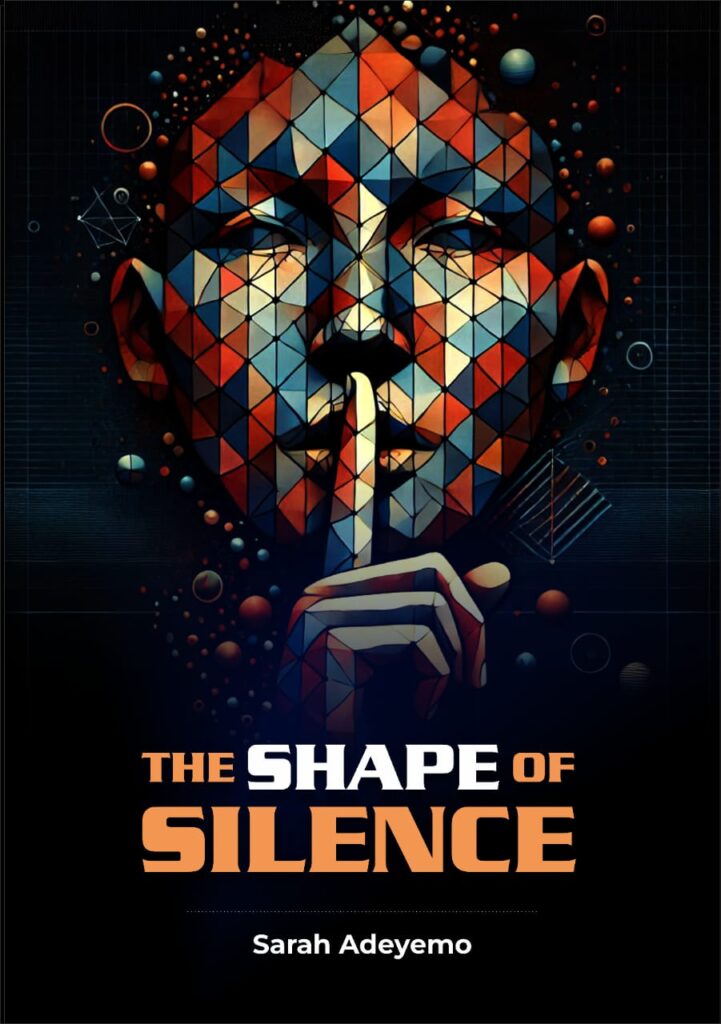
She draws inspiration, she says, from solitude and experiences. And she has poured both into a debut micro-chapbook, The Shape of Silence, that does exactly what its title promises — it gives a name and a shape to the things most people leave unspoken.
Who She Is
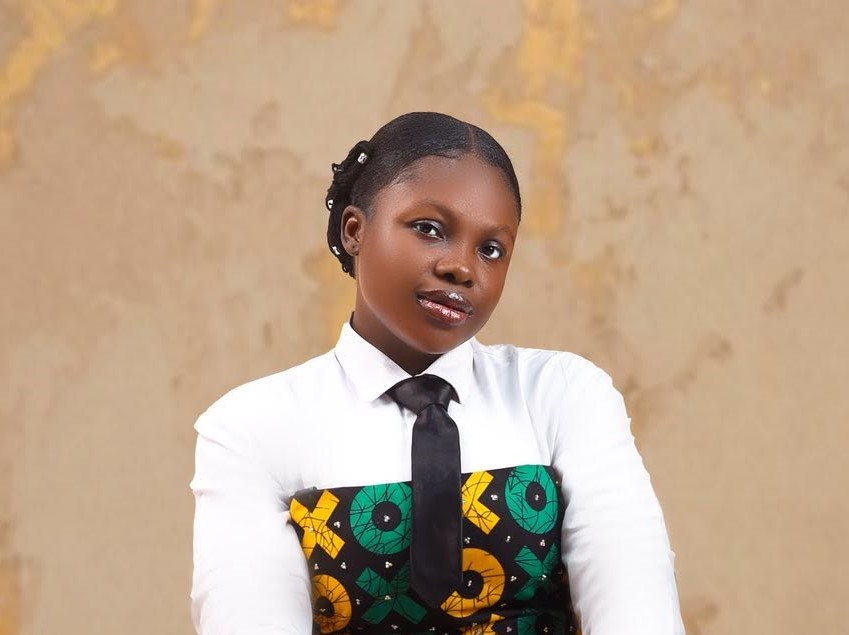
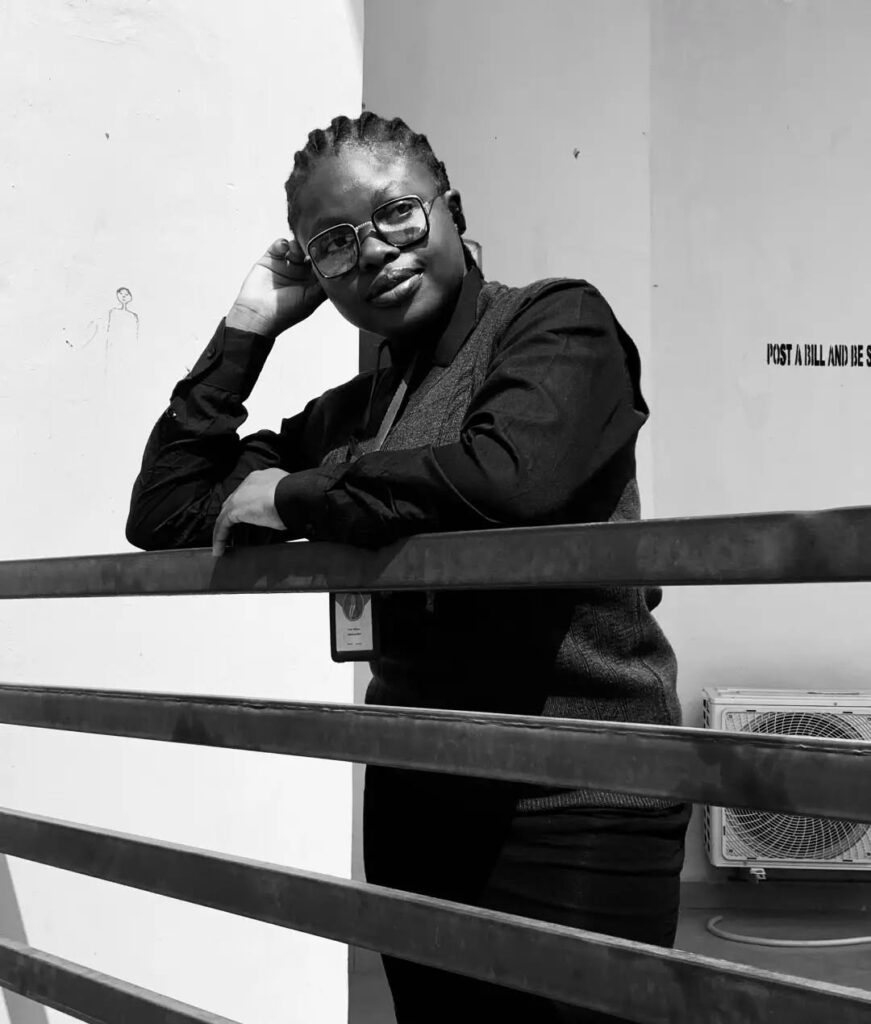
Sarah Adeyemo, who writes under the fellowship identity SWAN IX, is a Nigerian poet, writer, editor, spoken word artiste, and communication expert currently in her penultimate year studying English and Literature at the Federal University Oye-Ekiti (FUOYE).
Her path into literature followed the path of language itself. As she has explained, her fascination with language drove her toward English and Literature as a course of study. She believes that language is the vehicle for literature, and that conviction has shaped everything she has done since.
She is a fellow of the 2024 SprinNG Writing Fellowship, the prestigious free mentorship programme for developing African writers run by SprinNG, a nonprofit founded by Oyindamola Shoola and Kanyinsola Olorunnisola. During the fellowship, her mentor was Iliya Kambai Dennis, whom she has described as deeply understanding of her background and aspirations, offering insightful feedback that helped her grow.
Before the fellowship, she was already building a competition record. She was runner-up in the 2023 PROFWIC Poetry Contest, winner of the FUOYE Creatives competition in the spoken word category in 2023, and runner-up in the NASELS writing competition at FUOYE. Her work has appeared or is forthcoming in Akpata Magazine, The Shallow Tales Review, The Muse Journal, The Weganda Review, Everscribe Magazine, Afrillhill Press, TV-63 Magazine, Poems for Persons Interest, Northern Writers Forum Journal, Eboquills, Rinna Lit Anthologies, Pepper Coast Magazine, The Weeds Review, and Synchronized Chaos, among others.
She is a member of The Swan Collective — a community of writers whose fellowship identity she carries proudly in her name. She also serves as an editor at JAY Lit, the Journal of African Youth Literature.
“I’m quite introspective and value solitude. My fascination with language drove me to pursue English and Literature. I believe language is the vehicle for literature.”
— Sarah Adeyemo, in conversation with SprinNG
The Book
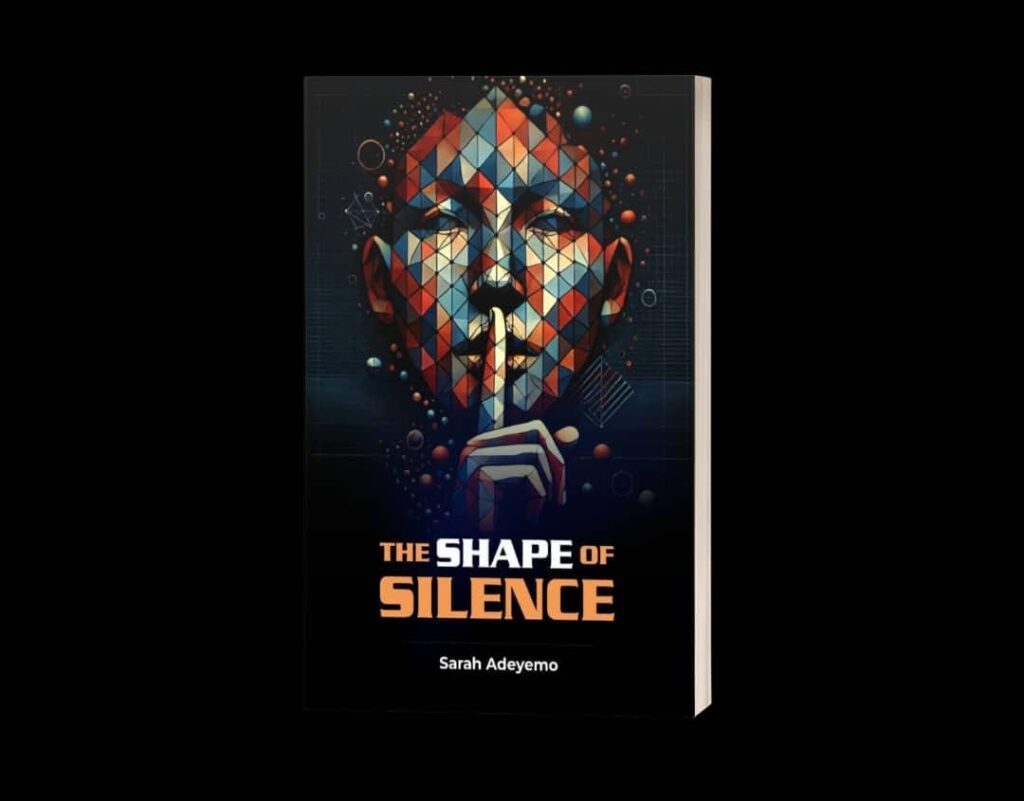
| Title | The Shape of Silence |
| Format | Micro-chapbook (debut collection) |
| Genre | Poetry |
| Publisher/Platform | Self-published, available on Selar |
| Themes | Home, love, prayer, identity, human experience |
| Available | selar.com/22o322 |
The Shape of Silence is Sarah Adeyemo’s debut collection — a micro-chapbook that gives voice to unspoken experiences, observations, and thoughts in a fractured world. Working through the central themes of home, love, prayer, and identity, the poems invite their readers to explore and contemplate the complexities of the human experiences that shape our existence.
The title is a precise one. Silence, in this collection, is not absence. It is texture. It is the space in which the unnamed things live — the grief we do not greet by name, the prayers we send upward with nothing to say, the longing for home that no address can satisfy, the identity we are still assembling in the dark. Adeyemo writes into these silences with the care of someone who knows that what is unsaid is often the truest thing.
One of the poems published in advance of the collection, “Plea,” reaches directly into the territory of doubt and prayer: addressing God at the threshold of broken faith, the speaker has nothing to offer the dead, nothing to say to birds with broken wings — only the raw acknowledgment of standing at the edge of belief, asking not to be left barren of mercy.
Another, “Loneliness,” opens with a woman in her aged mother’s garden, plucking a blooming rose under a sweltering sun — and finding, in the absence of a lover to receive it, the full weight of being alone.
This is the shape of what silence holds, when someone finally gives it a form.
“In her powerful debut collection, The Shape of Silence, Sarah Adeyemo gives voice tounspoken experiences, observations, and thoughts in a fractured world.“
— Selar description of The Shape of Silence
The Writing Journey
Sarah Adeyemo did not arrive at writing through a single dramatic moment. She arrived through a life shaped by introspection, by the company of quiet, by a love of language that grew into a discipline.
She has spoken about her anxieties before applying to the SprinNG Writing Fellowship — doubting whether her writing sample was good enough, procrastinating until the very deadline, submitting with uncertainty still lodged in her chest. Her advice to future applicants comes directly from that experience: be sincere, take the requirements seriously, and let your authentic self be what resonates. Because that is what ultimately gets through.
The fellowship, when she got in, came with its own obstacles. Her phone broke at the very start. Network coverage at school was poor. Rather than let those become the reasons she fell behind, she communicated directly with her mentor, explaining her circumstances, asking for understanding. His flexibility made it possible for her to complete the programme. She has described the experience as truly inspiring.
What the fellowship gave her, beyond the craft feedback, was community. She saw in the profiles of past fellows people who had gone on to achieve remarkable things — and she thought, simply: if they can, I can too. That sentence, unadorned and direct, is as honest a description of how ambition works as you will find.
Alongside the fellowship, she was building her competition record, submitting to journals across Nigeria and the African literary world, founding Inkspires Kreation, editing at JAY Lit, and doing the quiet, unglamorous daily work that eventually accumulates into a body of work worth publishing. The Shape of Silence is the first formal gathering of that work — and it is self-published, available directly through Selar, because she did not wait for a traditional gatekeeper to decide the time was right.
Her long-term goals are clear. She plans to pursue an MFA in poetry or creative writing, and she intends to continue growing Inkspires Kreation into a platform that lifts other writers behind her.
The Wit
What makes Sarah Adeyemo exceptional is something that is easy to overlook, precisely because she has not yet accumulated the kind of prizes and international credits that announce a writer to the world. It is the quality that precedes all of that: the ability to write poems that come from a genuinely private place and arrive, somehow, as publicly true.
Her poem “Plea” is perhaps the clearest evidence of this. It is not simply a poem about faith but one written from the difficult space where belief wrestles with grief, loneliness, betrayal, and doubt. Adeyemo’s prayers are intimate without becoming insular, turning deeply personal struggles into experiences that feel universally recognizable. Her closing plea for the resurrection of a faith that has died, rather than the creation of a new one, reveals an emotional and spiritual honesty that cannot be manufactured. It is this rare ability to transform private anguish into shared human truth that makes her poetry so quietly remarkable.
She has also built, through Inkspires Kreation, a relationship to the spoken word tradition of Nigerian poetry that grounds her work in performance as well as the page. She is not only a writer who publishes in journals. She is a writer who has stood in front of crowds, who has competed in spoken word categories at her university, who understands that a poem is also a body in a room, a voice in space. That range — the intimacy of the page and the immediacy of the stage — gives her work a dimension that purely textual writers do not always reach.
And then there is the title she gave her debut: The Shape of Silence. It is a title that rewards attention. Silence does not have a shape. That is the point. To give it one is the act of the poet — to make form out of formlessness, to give language to what resists it, to insist that what cannot be said is worth the attempt. That instinct, at this stage of her career, is the most important thing she has.
What She Teaches Us
If you are a young writer in Nigeria, still in university, still without a major prize or a foreign press behind your name, still wondering whether what you are making is worth the making, here is what Sarah Adeyemo teaches you. She published her debut collection while still a student at FUOYE, with a broken phone, unreliable internet, and no MFA yet to her name. She did not wait.
She teaches you that the spoken word stage and the literary journal are not separate worlds. They are two sides of the same commitment to language, and working both makes you stronger in each. She teaches you that founding your own platform — Inkspires Kreation — is not a distraction from your writing. It is an extension of the same values that make you a writer: the belief that language matters, that emerging voices deserve space, that community is not optional.
She teaches you that doubt before submission is not a sign that you should not submit. It is a sign that you care. Every writer who has ever submitted anything worth reading has doubted the work first. The difference is that some submit anyway, right up to the deadline, and see what happens.
And she teaches you, most quietly and most powerfully, that solitude is not an obstacle to a writing life. It is a resource. The poems in The Shape of Silence could only have been written by someone who has spent real time with silence, has learned to sit inside it without flinching, and has discovered what lives there when you stop filling it with noise.
The Invitation
There is a book inside you that only you can write. Sarah Adeyemo wrote hers in a university hostel at FUOYE, with a faulty phone and a broken internet connection, between competition submissions and fellowship sessions and the ordinary demands of being a student. She wrote it from solitude. She wrote it from the things she had lived and the things she had watched and the things she had felt but not yet said.
She did not wait to finish school. She did not wait for an MFA. She did not wait for a publisher to come to her. She made the book, and she put it out into the world.
Your story is waiting. Your readers are waiting. Your published book is waiting to exist in the world. You do not need perfect conditions. You do not need to wait until you feel ready. You need to begin, and then to keep going.
When you are ready to take your manuscript from idea to published, ACEworld is here. We help Nigerian authors bring their books into the world, professionally, globally, and with the care that every story deserves.
Celebrating Gen Z Authors is a weekly editorial column on the ACEworld Blog. To nominate a Gen Z author for a future edition, send a DM to @aceworldp on Instagram. The Shape of Silence is available at selar.com/22o322